What Is an EPDM Gasket? A Comprehensive Guide for Industrial ApplicationsEPDM gaskets are a key material for industrial seals. They last long and have many uses. They're good at handling weather, ozone, and chemicals. So, manufacturers in various industries often choose them. In this article, we'll explore what EPDM gaskets are. We'll also look at their traits, common uses, advantages, and how to pick the right one for your needs.
What Is an EPDM Gasket?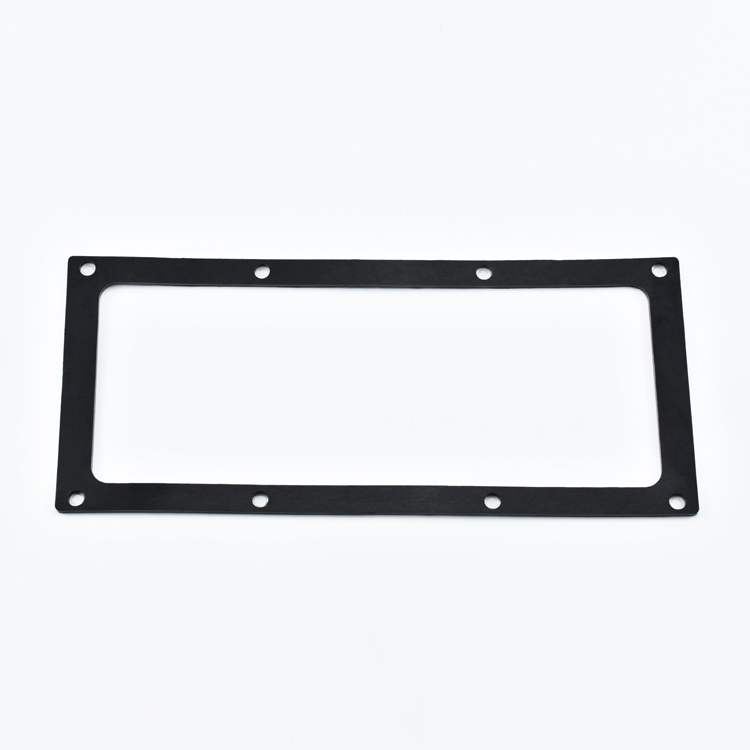
EPDM rubber is a synthetic elastomer renowned for its outstanding resistance to weathering, ozone, and various chemicals. It is highly flexible and durable, making it a preferred choice for industrial applications such as seals, gaskets, O-rings, and roofing membranes.
An EPDM gasket is a sealing component made from ethylene propylene diene monomer (EPDM) rubber. It is designed to prevent the leakage of liquids or gases and offer an effective seal between two surfaces. EPDM gaskets are widely used in environments where exposure to extreme weather, UV rays, or harsh chemicals is expected, making them ideal for outdoor and industrial applications.
Key Properties of EPDM GasketsWeather Resistance
EPDM gaskets are highly resistant to environmental factors such as sunlight, ozone, and extreme temperatures (-40°C to 120°C or -40°F to 248°F). This makes them particularly suitable for outdoor use.
Chemical Resistance
They exhibit excellent resistance to a wide range of chemicals, including diluted acids, alkalis, and polar solvents. However, they are not recommended for use with oils, hydrocarbons, or strong acids.
Thermal Stability
EPDM gaskets maintain flexibility and performance across a broad temperature range, making them reliable in both hot and cold conditions.
Electrical Insulation
The material is non-conductive, making it an excellent choice for electrical applications.
Flexibility and Compression Set Resistance
EPDM gaskets provide a tight seal even under varying pressures and movements, with good recovery from compression over time.
Physical PropertiesHardness:
Measured using Shore A hardness scale. EPDM gaskets typically have a hardness range from 40 to 90 Shore A. Softer gaskets (lower Shore A values) are more flexible and better at conforming to uneven surfaces, while harder gaskets (higher Shore A values) can provide better resistance to compression and wear.
Density:
The density of EPDM gaskets usually ranges from 1.1 - 1.2 g/cm³. Density can affect the gasket's weight and, to some extent, its strength and resistance to deformation.
Tensile Strength:
It is the maximum stress a gasket can withstand before breaking. EPDM gaskets generally have a tensile strength ranging from 7 - 20 MPa. Higher tensile strength indicates better resistance to stretching and tearing.
Elongation at Break:
This property represents the percentage increase in length a gasket can endure before breaking. EPDM gaskets typically have an elongation at a break of 300 - 600%. A high elongation value shows good flexibility and the ability to stretch without breaking.
Compression Set:
It is a measure of the gasket's ability to recover its original thickness after being compressed. Good-quality EPDM gaskets have a low compression set, usually less than 30% after a specified compression time and temperature (e.g., 22 hours at 70°C).
Common Applications of EPDM GasketsEPDM gaskets are widely utilized across multiple industries due to their versatile properties. Key applications include:
- HVAC Systems: Sealing ducts, vents, and piping to ensure airtight systems.
- Automotive Industry: Used in door seals, trunk seals, and weatherstripping to enhance durability and noise insulation.
- Waterproofing: Sealing in roofing systems and windows to prevent leaks and ensure weatherproofing.
- Plumbing: Gaskets for sealing pipes and fittings exposed to water and steam.
- Electronics: Protective seals for electrical enclosures, offering insulation and protection from environmental factors.
- Renewable Energy: Sealing components in solar panels and wind turbines due to excellent UV resistance.
Advantages of EPDM gaskets:
- Excellent Weather Resistance
- Good Chemical Resistance
- High Flexibility and Elasticity
- Long Service Life
- Wide operatingTemperature range
- Customizable: Can be manufactured in various sizes, shapes, and thicknesses to meet specific requirements.
How to choose the right EPDM gasket?The following aspects need to be considered when choosing the right EPDM gasket:
- Use environment: Understanding the use environment is crucial to choosing the right EPDM gasket. For example, high-temperature-resistant gaskets need to be selected in high-temperature environments, corrosion-resistant gaskets need to be selected in corrosive environments, etc.
- Size and shape: Choose the right size and shape of gaskets according to actual needs to ensure that they can perfectly fit the parts that need to be sealed. and whether custom solutions are needed.
- Hardness and density: Hardness and density are important factors affecting the performance of EPDM gaskets. The right hardness and density should be selected according to actual use needs. Generally speaking, high-hardness gaskets have better pressure resistance and wear resistance, while low-density gaskets are softer, more elastic, and more sealing.
- Cost-effectiveness: When choosing EPDM gaskets, you should consider their performance, price, and other factors comprehensively and choose the product with the best cost-effectiveness.
- Standards Compliance: Verify adherence to industry standards such as ASTM or ISO for safety and performance.
EPDM vs. Other Gasket MaterialsEPDM stands out for its excellent weather and UV resistance compared to rubber materials such as neoprene, nitrile, or silicone. However, it may not be as oil-resistant as nitrile, or as resistant to extreme temperatures as silicone. The choice of material should meet the specific needs of your application.
High Temperature Silicone Gasket Conclusion
EPDM gaskets are a reliable, cost-effective solution for sealing needs in demanding environments. With their excellent resistance to weather, chemicals, and temperature variations, they are an indispensable component for industries such as HVAC, automotive, and renewable energy. By understanding the properties and applications of EPDM gaskets, businesses can make informed decisions that enhance operational efficiency and product longevity.
If you’re looking for custom EPDM gaskets tailored to your specific requirements,
contact us today for expert consultation and high-quality manufacturing solutions.


